




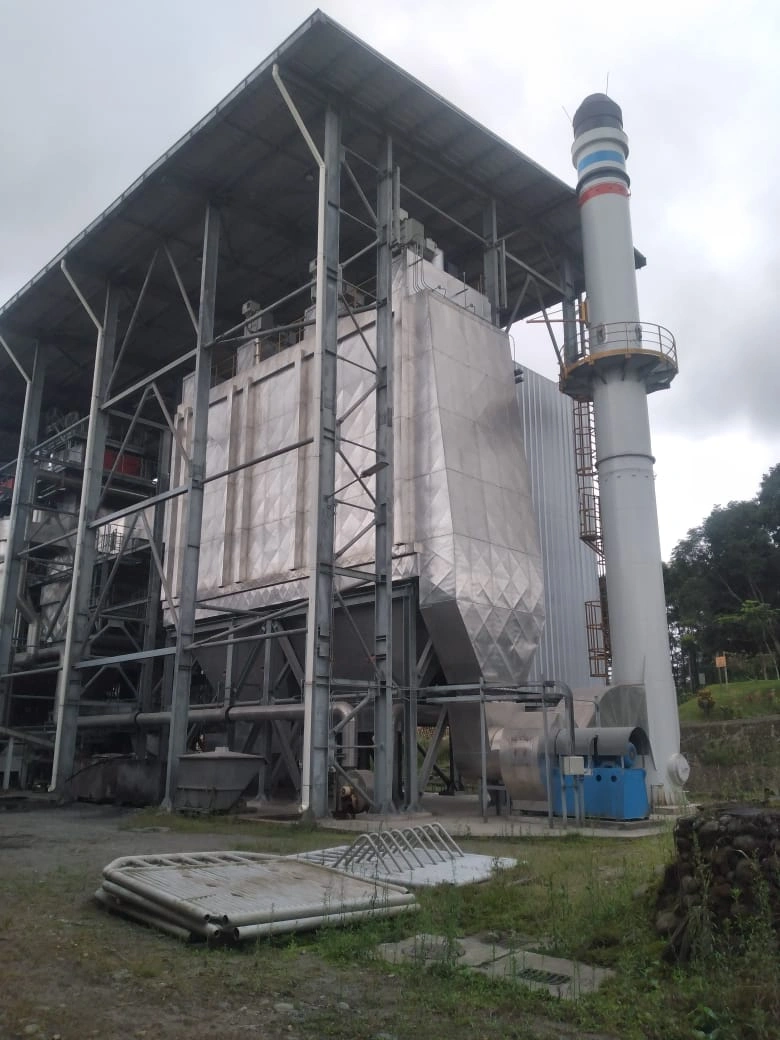
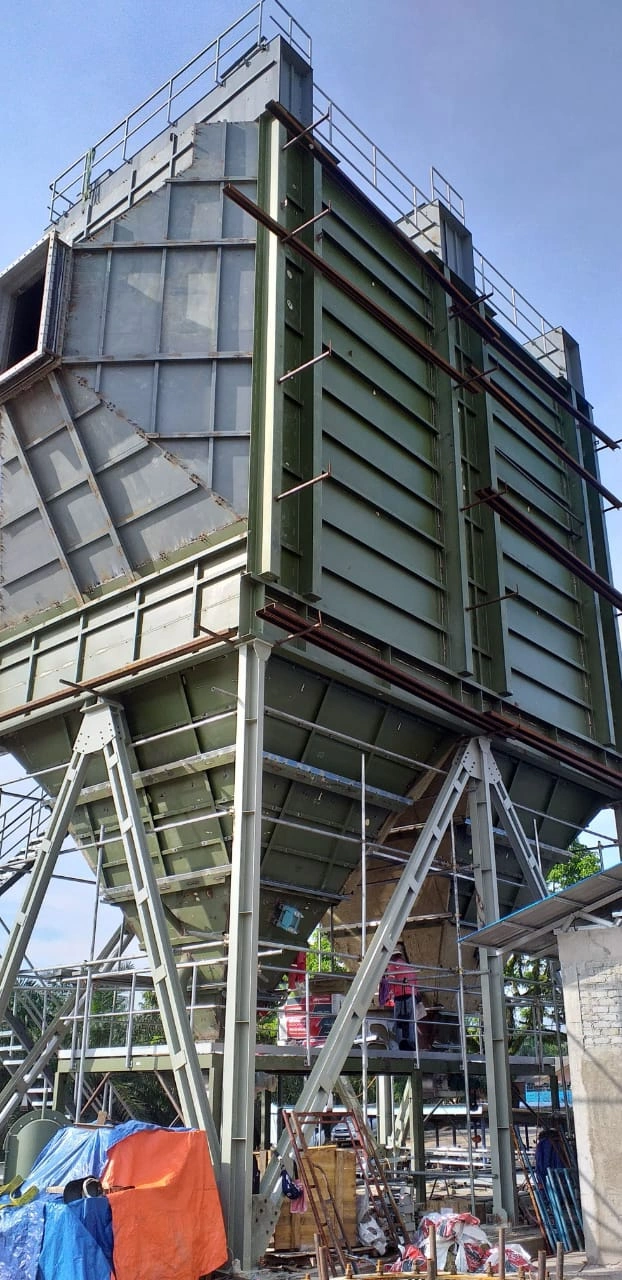
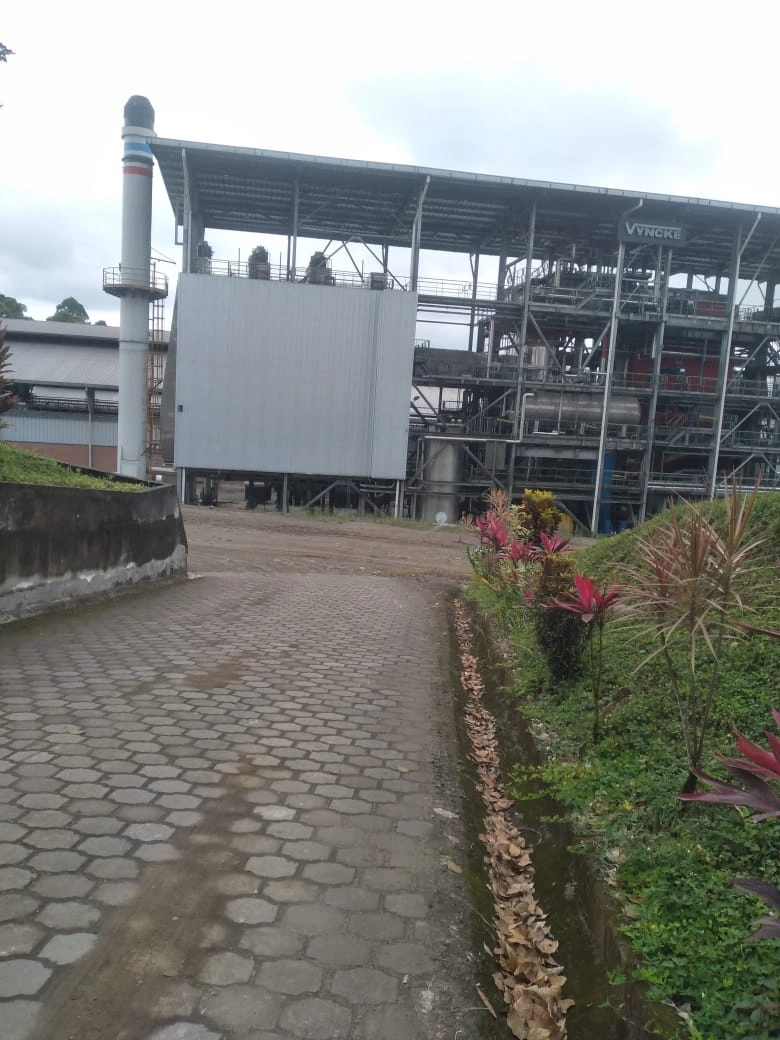

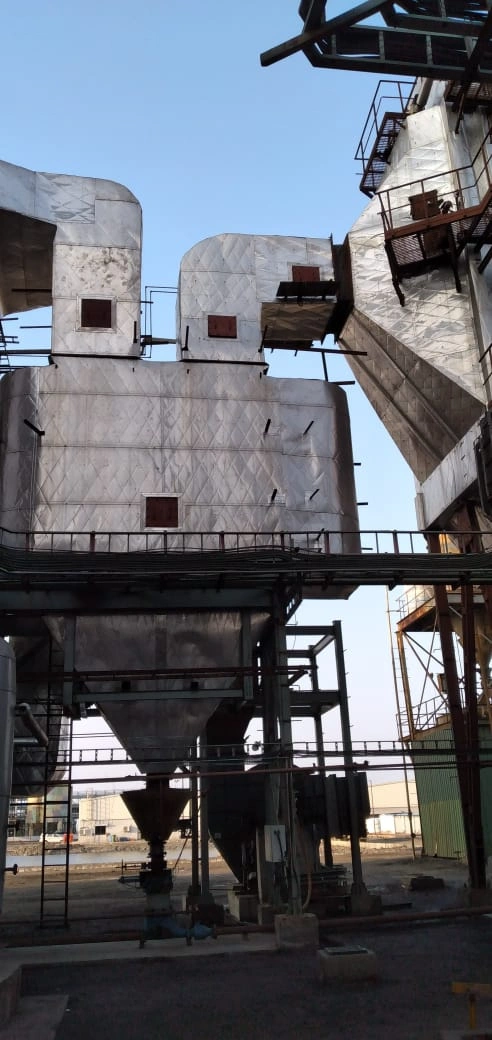
ESP Concept overview
An Electrostatic Precipitator (ESP) is an air pollution control device that removes dust, ash, and smoke particles from industrial exhaust gases using electricity.
Our Process:
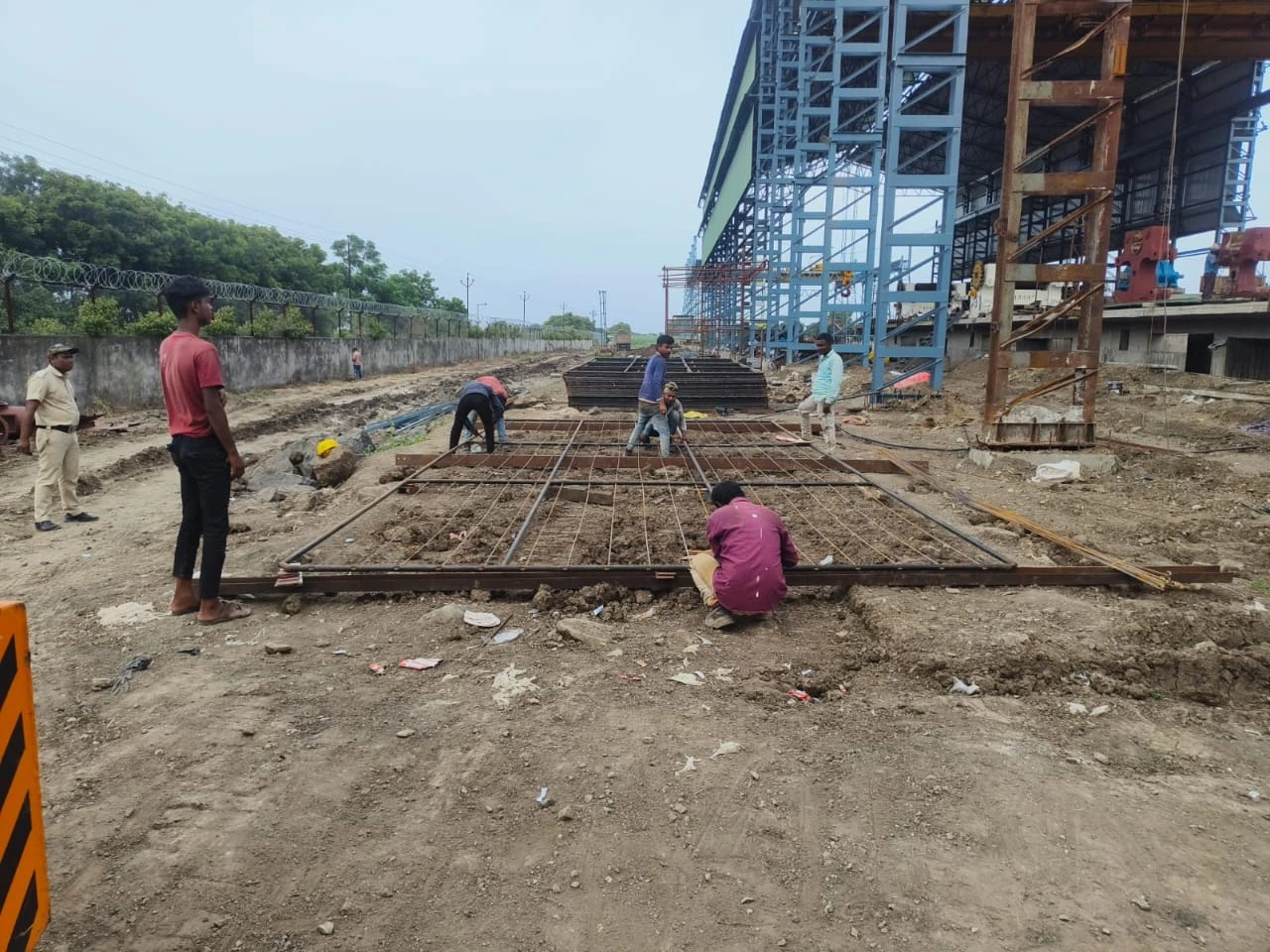
- Site Assessment & Planning – Detailed survey and layout preparation
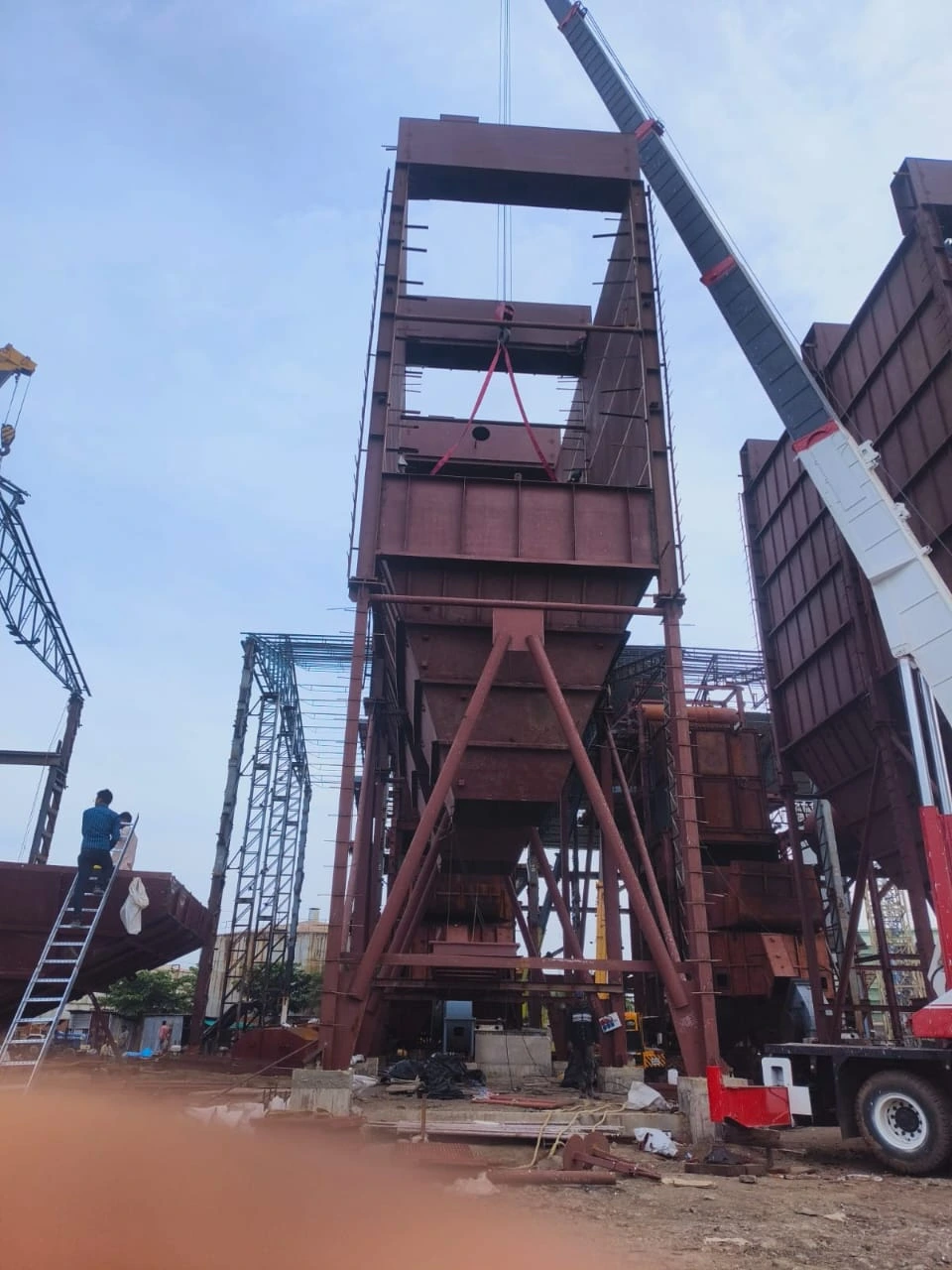
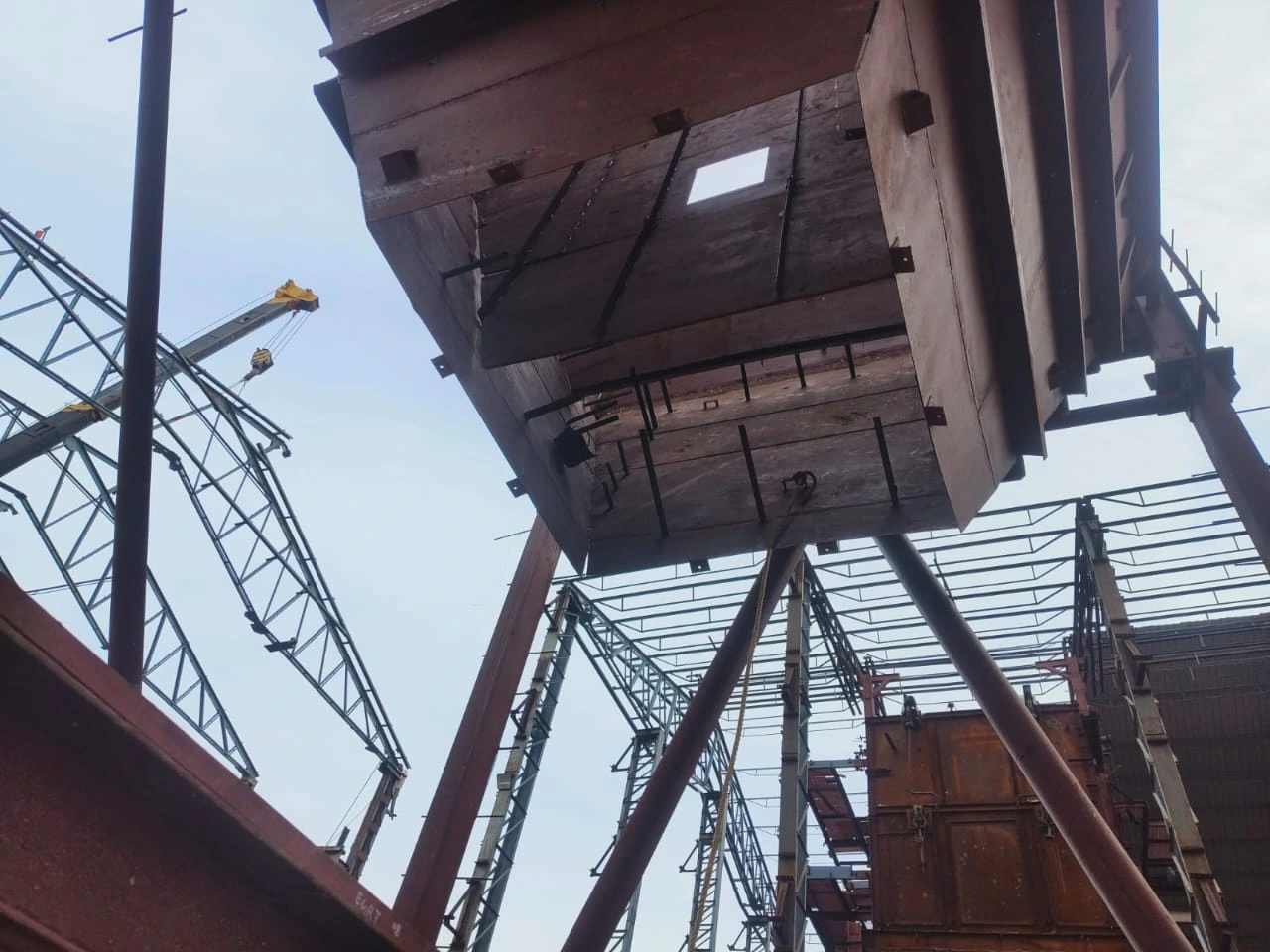
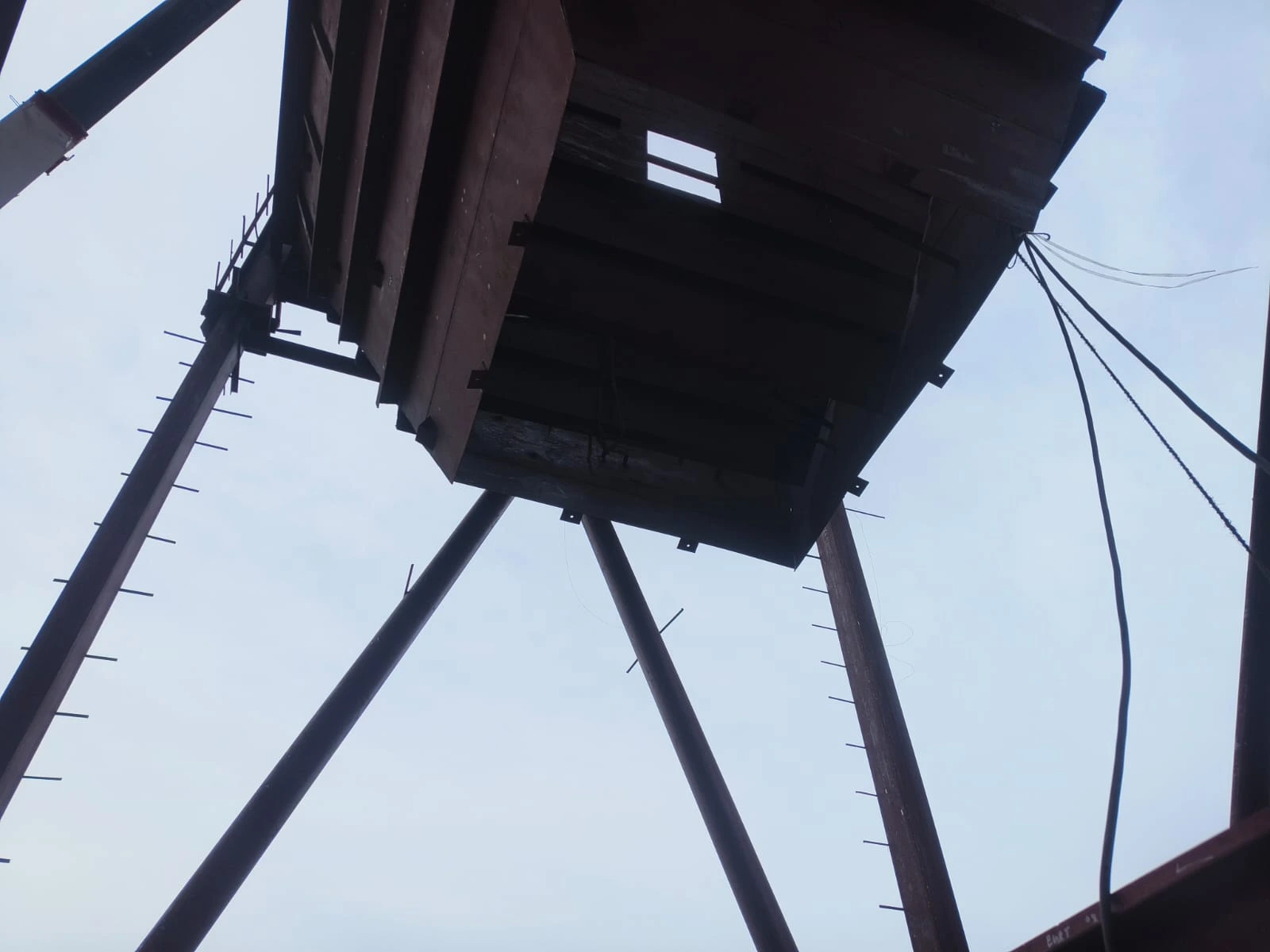
- Structural Erection – ESP housing, ductwork, and hopper assembly
- Mechanical Installation – Electrodes, rapping systems, and discharge electrodes
- Electrical & Control Setup – Wiring, panel installation, and automation integration
- Testing & Commissioning – Ensuring emission compliance and efficiency
Main Components
- Collecting Plates – Capture the charged particles
- Discharge Electrodes – Charge the dust particle
- High Voltage Power Supply – Provides the required electric field
- Rapper System – Removes particles from plates
- Hopper – Collects the dust for disposal
Working Principle
The ESP works on the principle of electrostatic charging:
- Ionization – Particles in the gas stream are given an electric charge by discharge electrodes.
- Collection – These charged particles are attracted to oppositely charged collecting plates.
- Removal – Periodically, the plates are “rapped” or shaken so the particles fall into a hopper.
Applications
- Thermal power plants (fly ash removal)
- Cement plants
- Steel industries
- Pulp and paper mills
Advantages
- Very high efficiency (99%+ particle removal)
- Can handle large gas volumes
- Low operating cost
Benefits
- 99%+ dust removal efficiency
- Low operating cost
- Long-term durability


